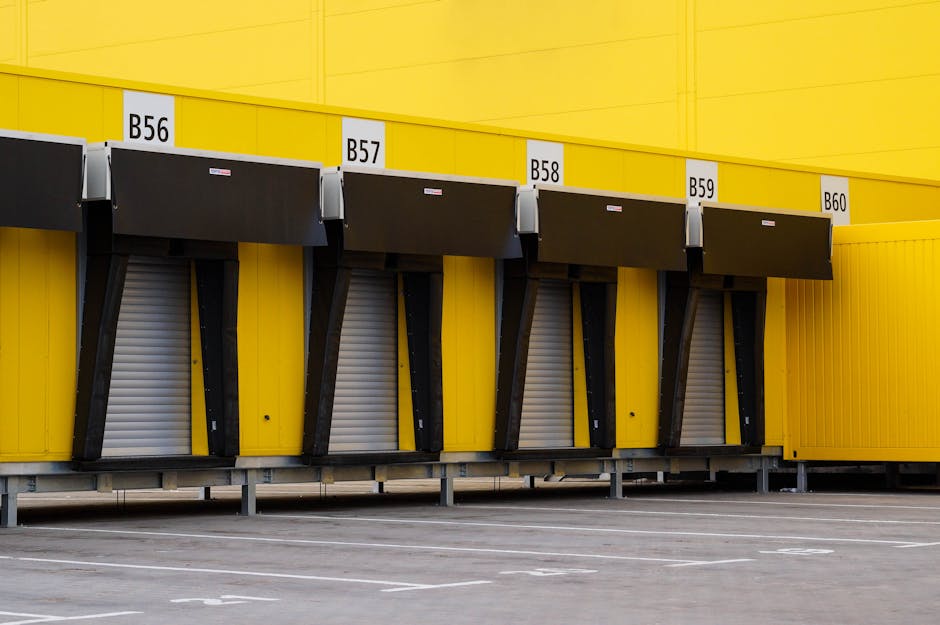
Highway and loading bay permits for Merton removals: a practical guide for smoother moving day
If you are planning a move in Merton, the paperwork can feel like the annoying bit nobody mentions until the last minute. Highway and loading bay permits for Merton removals are exactly the sort of detail that can make the difference between a calm, efficient move and a stressful morning with a van circling the block. The good news? Once you understand what these permits do, when they matter, and how to plan around them, the whole thing becomes much more manageable.
This guide breaks it down in plain English. We will look at why permits matter, how they usually work in a London borough setting, what problems they help prevent, and the mistakes people make when they leave it too late. You will also find a checklist, a comparison table, and a realistic example so you can picture how it all fits together on the day.
Why Highway and loading bay permits for Merton removals Matters
In a busy part of London, kerb space is rarely as simple as "park outside and unload." Roads may be narrow, bays may be shared, and the time you need to move furniture can overlap with local parking restrictions. That is where highway permits and loading bay arrangements come in. They help you reserve or use road space in a way that is lawful, planned, and less likely to disrupt neighbours or traffic.
For removals, the issue is not just convenience. It is about access. A van parked too far away adds extra carrying distance, which slows everything down and increases the risk of damage to furniture, walls, lifts, and wrists. And let's face it, nobody wants to haul a wardrobe across a wet pavement while dodging delivery bikes at 8:30 on a Tuesday.
In practice, the permit question often comes up in flats, terraced streets, office moves, and homes with limited front access. It matters even more where a loading bay is the only sensible place to stop for a short time. A well-planned permit can save hours, reduce friction with local enforcement, and give the crew a proper working position.
Expert summary: If your move depends on roadside stopping, shared bays, or restricted access, treat permits as part of the removal plan rather than an afterthought. The earlier you sort access, the easier everything else becomes.
For broader move planning, it can also help to read about removal services and van-based moving support, especially if you are comparing different ways to handle a local move.
How Highway and loading bay permits for Merton removals Works
Although every council handles applications a little differently, the general idea is straightforward. If a removal vehicle needs to stop on the highway, use a loading bay, or occupy a section of road space for a set period, that activity may need permission or management in advance. In some cases, the booking is about legal parking; in others, it is about coordinating access so the move can happen safely and without interruption.
The main factors usually include the type of vehicle, the length of stay, the location, the hours requested, and whether the space is part of a controlled parking area. For removals, the assessment is often practical: can the vehicle stop close enough to the property, and can that be done without blocking traffic or breaching local rules?
A loading bay permit can be especially useful when you need short-term access to unload boxes, appliances, or bulky items. A highway permit may be needed where a vehicle must partially or fully occupy the carriageway, or where temporary access arrangements are required for a move. Sometimes the solution is a simple pre-booked bay; sometimes it needs more thought, especially in streets with morning restrictions or tight turns.
In real life, the best moves are the ones where access has been checked before the first box is lifted. A removal team can be ready with blankets, straps, and trolleys, but if the van cannot stop close enough, the job becomes slower and messier. Not ideal. Not even a bit.
What the permit process usually involves
- Checking whether roadside loading is restricted at the chosen time.
- Confirming whether a loading bay is available, shared, or timed.
- Reviewing any local conditions on vehicle size, stay length, or loading activity.
- Applying in advance if formal permission is needed.
- Planning the route so the van can get in and out cleanly.
For some moves, especially smaller household moves, it may be more practical to use man and van support or a removal van that is easier to position in tight streets.
Key Benefits and Practical Advantages
The value of getting permits sorted is not abstract. You feel it on the day. The van parks closer, the crew works faster, and your move is less exposed to interruptions. That sounds simple, but in a borough like Merton, small planning wins add up quickly.
- Less walking distance: Boxes and furniture travel fewer metres, which reduces handling time and physical strain.
- Fewer delays: A permitted loading bay can prevent last-minute hunting for a legal stopping place.
- Lower disruption: Neighbours, businesses, and traffic are less likely to be affected by ad hoc parking.
- Better safety: Shorter carry distances mean fewer trips, fewer knocks, and less chance of damage.
- More predictable timing: You can schedule the move with more confidence, especially if you have cleaners, key handover, or a lift booking after it.
There is also a quieter benefit: peace of mind. Moving day already comes with enough moving parts. If the access plan is settled, you are not wasting energy on whether the van will be moved on, ticketed, or forced to unload from half a street away. That matters more than people expect.
If you are moving a full home, pairing access planning with home moves support or house removals can make the logistics feel much more coordinated.
Who This Is For and When It Makes Sense
Not every move needs a formal permit arrangement, and that is worth saying clearly. A quick load from a driveway or private forecourt may not need anything at all. But if your move depends on public road space, shared access, or a limited loading bay, permits should be part of the plan.
This is most relevant for:
- Flat moves where the van cannot park on private land.
- House moves on streets with controlled parking or narrow carriageways.
- Office relocations that require a timed loading window.
- Student moves with limited luggage but awkward access.
- Furniture collections and drop-offs where the item is too bulky for casual parking.
- Moves involving stairwells, lifts, or long internal corridors.
It is also worth thinking about the size of the load. A few bags and a monitor can be handled quite differently from a piano, sofa, or wardrobe. If your move includes specialist items, you may need a more carefully staged access plan and possibly a larger vehicle such as a moving truck or structured support from piano removals teams.
To be fair, the easiest way to tell whether this topic matters for you is to ask one simple question: can the vehicle stop right where the loading needs to happen? If the answer is "not quite," then planning access properly is probably wise.
Step-by-Step Guidance
Here is a practical way to approach Highway and loading bay permits for Merton removals without overcomplicating it.
- Assess the property access. Check whether there is private parking, a driveway, a courtyard, or any on-street loading area near the entrance.
- Identify restrictions. Look for signs, bay markings, time limits, permit-only zones, or school-time restrictions nearby. Even if the street looks quiet, the rules may not be.
- Measure the move realistically. A one-bedroom flat with boxed belongings is one thing. A family house with furniture, appliances, and wardrobe dismantling is another.
- Decide whether a loading bay or highway permit is needed. If the only workable stopping point is on public land, treat it as a permit issue until proven otherwise.
- Build the timing around the access window. Don't plan a tight lift or handover slot if the van access is uncertain. Leave breathing room. You will thank yourself later.
- Confirm the vehicle details. Vehicle size matters. A compact van may fit where a larger removal truck will not, and that can change the whole access plan.
- Coordinate the crew and client timing. Make sure everyone knows when the van arrives, how long loading should take, and where items will be staged.
- Prepare for contingencies. Have a backup plan if the loading bay is occupied or the street is unexpectedly busy. Sometimes a short delay is all it takes; sometimes you need to switch approach.
A small but useful habit: take photos of the frontage, bay signs, and any access obstacles a few days before the move. It sounds almost too simple, but it can save a lot of "hang on, which bay was it?" chaos on the morning.
Expert Tips for Better Results
The best permit plan is the one that fits the move, not the one that looks clever on paper. Over the years, the same patterns tend to help.
- Plan around peak traffic. Early morning can be calmer, but only if the local restrictions fit. Sometimes a later window is actually easier because the street has settled down.
- Use the shortest safe carry route. Short, direct paths reduce damage risk. A few extra metres can matter when you are carrying heavy furniture downstairs.
- Match vehicle size to access. A smaller vehicle may be the better choice if the street is tight. Bigger is not always better, despite what people assume.
- Keep essential items separate. A clearly labelled "first open" box for documents, chargers, kettle supplies, and keys helps a lot when the unloading is staggered.
- Coordinate with building management. For flats and offices, confirm lift access, entry codes, and any booking rules before the van turns up.
- Use packing discipline. Good packing reduces time spent in the bay. If the van is parked legally but the loading is slow, the permit window can still become tight. Packing and boxes can make a big difference here.
One little truth from the field: people often underestimate the time taken by awkward items like mirrors, lamps, and random "that should fit if we tilt it" bits. Those are the items that always seem to have opinions of their own.
For more complex jobs, especially business relocations, it can help to pair access planning with office removals or commercial moves so the whole process is set up around operational continuity, not just transport.
Common Mistakes to Avoid
Most permit problems are preventable. They usually come from rushing, assuming the street is fine, or forgetting that local restrictions change the picture completely.
- Leaving access planning too late: This is the classic one. By the time you notice the issue, the move date is close and options are limited.
- Assuming a quiet street means free loading: Quiet does not equal unrestricted. Signs and bays matter more than appearances.
- Choosing the wrong vehicle size: A van that is too large can cause more trouble than it solves if the road is tight.
- Ignoring lift or building restrictions: If the internal route is slow, the loading bay will be under pressure for longer.
- Forgetting to brief everyone: The client, movers, and building contact should all know the plan. Otherwise the morning becomes a game of telephone, and nobody enjoys that.
- Not allowing a buffer: A few extra minutes are often all you need. Without them, one blocked bay can ripple through the whole day.
Another common slip is failing to match service level to the move. A small flat move may suit flat removals, while a heavier, more access-sensitive job may need something more structured such as removal truck hire or removal services.
Tools, Resources and Recommendations
You do not need fancy software to organise a permit-led move. What helps most is a sensible information pack and a few straightforward tools.
- Street photos: Useful for checking bay signs, curb width, and the best stopping point.
- Move inventory: A simple list of furniture and boxes helps you estimate load time and vehicle size.
- Floor plan or rough sketch: Handy for office moves, flats, and houses with awkward entrances.
- Box labels: Keep essential items and fragile items separated so unloading is more efficient.
- Timing notes: Record when lifts, keys, or building access are available so the permit window matches reality.
For storage-heavy moves or situations where access dates do not line up neatly, storage can be a useful bridge between properties. And if you are planning a student move, the timing gap between term dates and accommodation handovers can make access planning even more valuable; student removals often benefit from a simpler, faster approach.
If you want to compare how different move types affect planning and cost, browsing pricing and quotes alongside your access notes is a sensible next step. It keeps expectations grounded, which is always a good thing.
Law, Compliance, Standards, or Best Practice
When permits and loading access are involved, the safest approach is to treat the move as a compliance-sensitive job rather than a casual stop-and-drop. Local parking controls, highway rules, and building access requirements can all overlap. In the UK, the exact rules depend on the council, the road, and the time of day, so it is wise to check the specific local position before moving day.
Best practice usually means the following: avoid blocking traffic, use the correct loading area, keep the vehicle within any stated time limit, and do not assume informal arrangements are enough if the street is controlled. If a permit is needed, arrange it properly. If a bay has conditions, follow them carefully. That may sound obvious, but it is exactly where many moves get messy.
From a service perspective, good movers should also consider insurance, handling practices, and safe loading methods. A company with clear standards around insurance and safety is usually better placed to handle permit-dependent work calmly and professionally. The same goes for documented procedures such as health and safety policy and clear terms and conditions.
It is not about being overly formal. It is about reducing avoidable risk. A move is already a disruption; compliance should make it smoother, not heavier.
Options, Methods, or Comparison Table
Different access approaches suit different moves. The right option depends on street layout, vehicle size, timing, and the amount you need to shift. Here is a simple comparison.
| Option | Best for | Pros | Trade-offs |
|---|---|---|---|
| Private driveway or forecourt | Homes with off-street parking | No roadside permit issue, quick loading, simple coordination | Not available for many flats or central streets |
| Loading bay arrangement | Short, timed unloads near properties or offices | Close access, efficient for boxes and furniture | Time limits can be tight; bay may already be in use |
| Highway permit / road space management | Restricted roads or complex access | More controlled planning, better for busy locations | Needs early organisation and clear timing |
| Smaller van and staged unloading | Tight streets and awkward parking | Easier to position, more flexible access | May need more than one trip |
In practice, a smaller vehicle paired with good timing often beats a bigger vehicle that arrives awkwardly and has nowhere sensible to stop. That is especially true in residential Merton streets where space can be limited and everyone seems to have a delivery van at the same time. Funny, that.
Case Study or Real-World Example
Picture a two-bedroom flat move from a road with controlled parking and a narrow loading area. The client has boxes, a bed frame, a sofa, and a dining table. There is no driveway, and the nearest legal stopping point is a shared loading bay close to the building. On paper, it looks simple enough. In reality, if the van turns up without access planning, it might spend 20 minutes looking for a lawful place to stop.
Instead, the move is organised around the bay window. The team arrives with the right vehicle, the boxes are stacked in order of priority, and the client knows which items are going first. The loading bay is used as intended, the long-carry problem disappears, and the move finishes without the usual frantic "we only need one more trip" feeling.
Nothing dramatic. Just a cleaner process. And that is usually what people want when they are moving home or office: less drama, less guesswork, fewer surprises. Especially when the kettle is still packed somewhere, which is somehow always the case.
In a busier setup, the same logic applies to office or commercial work. A timed bay, a clear route, and the right vehicle can keep the day moving. If the access plan is robust, the rest tends to behave itself.
Practical Checklist
Use this checklist before moving day. It is simple, but it covers the bits that tend to get missed.
- Confirm whether the property has private parking or street-only access.
- Check signs, bay markings, and any time-based restrictions near the property.
- Decide whether a loading bay or highway permit is likely to be needed.
- Match the vehicle size to the access available.
- Allow enough time for carrying items from van to door.
- Tell the client, movers, and building contact the agreed arrival window.
- Prepare box labels and essential items for quick unloading.
- Keep photos of the access point and loading area.
- Have a backup plan if the bay is occupied or delayed.
- Review insurance, safety, and move terms before the day.
If you are still planning the wider move, it may help to compare support options such as man with a van, removal companies, or home moves depending on the scale of the job.
Get a free quote today and see how much you can save.
Conclusion
Highway and loading bay permits for Merton removals are not just paperwork. They are part of what makes a move efficient, lawful, and less exhausting. When access is planned properly, your removal team can work closer to the property, the load can move faster, and the day feels a lot less chaotic.
The main lesson is simple: do not leave access to chance. Check the street, understand the bay, think about the vehicle, and build the permit plan into the move from the start. That little bit of foresight can save a lot of running around later.
If your move involves shared roads, timed access, or tight Merton streets, a well-organised removal plan is worth its weight in boxes. Truth be told, it is one of those quiet details that makes everything else feel easier.
Frequently Asked Questions
Do I always need a permit for a removals van in Merton?
No, not always. If you have private parking, a driveway, or another legal place to load without using the highway, you may not need a permit. The issue comes up when the van needs to stop on public road space or use a controlled loading bay.
What is the difference between a highway permit and a loading bay permit?
In simple terms, a loading bay permit relates to using a designated bay, often for a limited time, while a highway permit covers situations where the vehicle needs to occupy or use the public road in a managed way. The exact wording and process vary, so the local context matters.
How far in advance should I sort permit access for a move?
As early as possible. If your move depends on street access or bay use, it is best not to leave it until the last minute. Early planning gives you more room to adjust the vehicle, timing, or load strategy if needed.
Can a removal van use a loading bay for furniture unloading?
Often yes, if the bay allows loading and the vehicle stays within the stated conditions. The key is to check the permitted hours, time limits, and any local restrictions before the van arrives.
What happens if the loading bay is already occupied?
That is where a backup plan helps. A smaller van, a revised arrival time, or a different nearby legal stopping point may be needed. Without a plan B, the whole move can stall for no good reason.
Are permits more important for flat removals than house removals?
Usually yes, because flats often depend more heavily on street parking, shared access, and timed loading windows. That said, some house removals also need permits if the street is restricted or narrow.
Do commercial moves need different access planning?
They often do. Office and commercial moves may involve lift bookings, business hours, and tighter time windows. That makes loading bay coordination and vehicle positioning especially important.
Can a smaller van avoid permit problems?
Sometimes a smaller van is easier to place and may reduce access complications, but it does not automatically remove permit needs. If the stopping point is on a restricted road, the rules still apply.
What should I check on the street before the move?
Look for signs, bay markings, permit restrictions, stay limits, and any time controls. It also helps to check whether the route into the bay is clear enough for the vehicle you plan to use.
How do I make moving day less stressful if access is tight?
Keep the load organised, label boxes clearly, and make sure the crew knows the access plan in advance. A bit of structure goes a long way. Honestly, it saves more stress than people think.
Are permits relevant for furniture pick-ups as well as full removals?
Yes, they can be. A single bulky item may still need roadside loading if there is no private access. That applies to collections, deliveries, and larger furniture pick-up jobs too.
What is the safest next step if I am unsure whether I need a permit?
Review the access point, compare it with the vehicle size, and speak to a mover who understands local access conditions. It is much better to confirm the plan before moving day than to improvise under pressure.